Why Does the Moon Have Phases?

The Moon is one of the most familiar objects in the night sky, yet its changing shape has fascinated people for centuries. Sometimes it appears as a thin crescent, sometimes as a bright full circle, and sometimes it seems to disappear almost completely. These changing appearances are called the Moon’s phases, and they happen because of the Moon’s position relative to Earth and the Sun.
A common misunderstanding is that the phases are caused by Earth’s shadow. In reality, that is only true during a lunar eclipse, which is much less common. The Moon’s phases happen all the time because half of the Moon is always being lit by the Sun, while the other half remains dark. As the Moon orbits Earth, we see different amounts of that sunlit half.

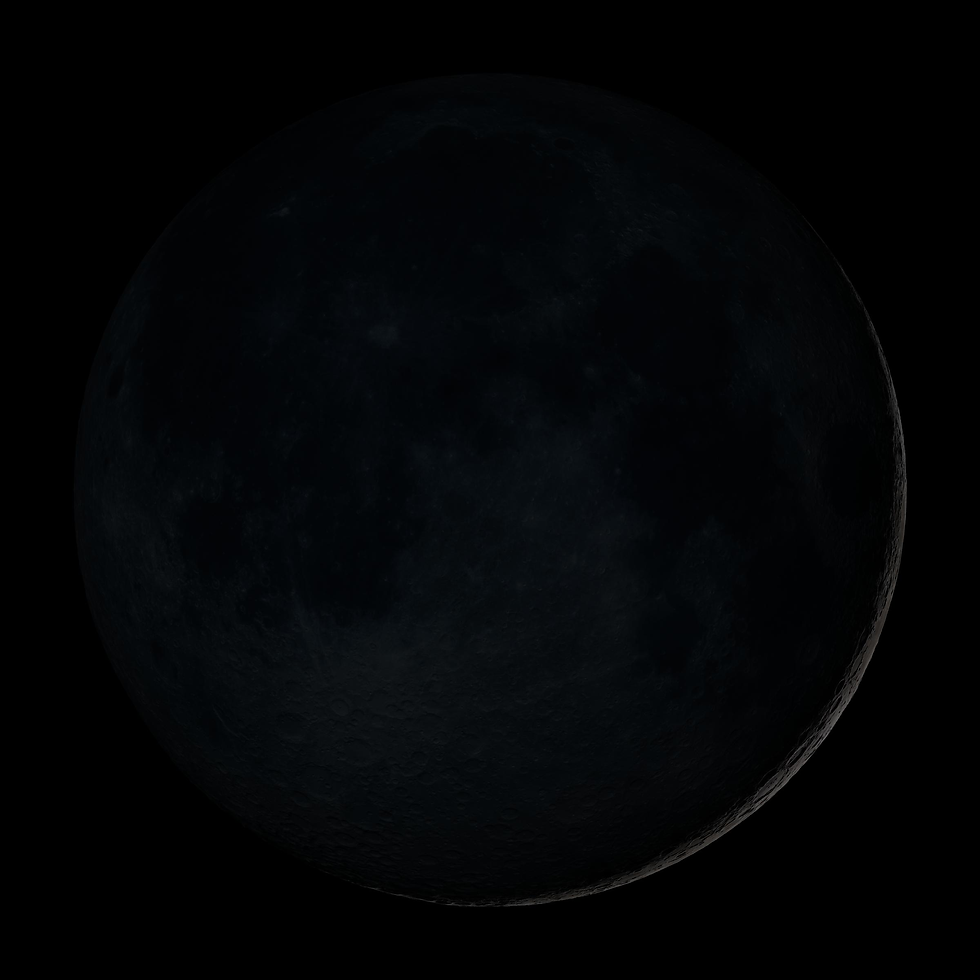
For example, during a new moon, the Moon is positioned between Earth and the Sun. The side facing the Sun is lit, but the side facing Earth is mostly dark, so the Moon is difficult to see. As the Moon continues moving around Earth, we begin to see a small part of the lit side, creating a crescent moon. Later, when we can see half of the lit side, this is called a quarter moon.
As more of the illuminated half becomes visible, the Moon enters the gibbous phase. Eventually, Earth is positioned roughly between the Moon and the Sun, allowing us to see nearly the entire sunlit side. This is the full moon. After that, the process repeats in reverse. The visible lit portion gradually decreases through another gibbous phase, then another quarter moon, then a crescent, until it returns to a new moon again.

This full cycle takes about 29.5 days, which is why the Moon’s phases follow a monthly pattern. The Moon is not changing shape itself. It is simply our view of its illuminated half that changes over time.
The Moon’s phases have been important throughout human history. They have helped people create calendars, track time, and guide farming, travel, and religious traditions. Even today, these phases remain one of the easiest astronomical patterns to observe without any equipment.


Comments