Space Farming: Can We Grow Food on Mars?
- Cyrine Badji

- Jun 15
- 2 min read
If humans ever live on Mars, they will need more than rockets, habitats, and oxygen systems. They will also need food. Carrying every meal from Earth would be expensive and impractical, especially for long-term missions. That is why scientists are studying an important question: could astronauts actually grow food on Mars?
In theory, the answer is yes, but it would be very difficult. Mars is not naturally friendly to plants. The planet has a very thin atmosphere, extremely cold temperatures, high radiation levels, and no liquid water on the surface for long periods of time. Mars also has soil, more accurately called regolith, that is very different from Earth’s soil. It does not contain the same balance of nutrients that plants need, and it may contain chemicals called perchlorates that can be harmful.
Because of this, future farming on Mars would almost certainly happen inside controlled habitats rather than out in the open. These habitats would protect plants from radiation and cold while giving them the right amount of light, water, air, and nutrients. In other words, astronauts would not be planting crops directly in the Martian ground the way farmers do on Earth. Instead, they would likely grow food in carefully managed indoor systems.
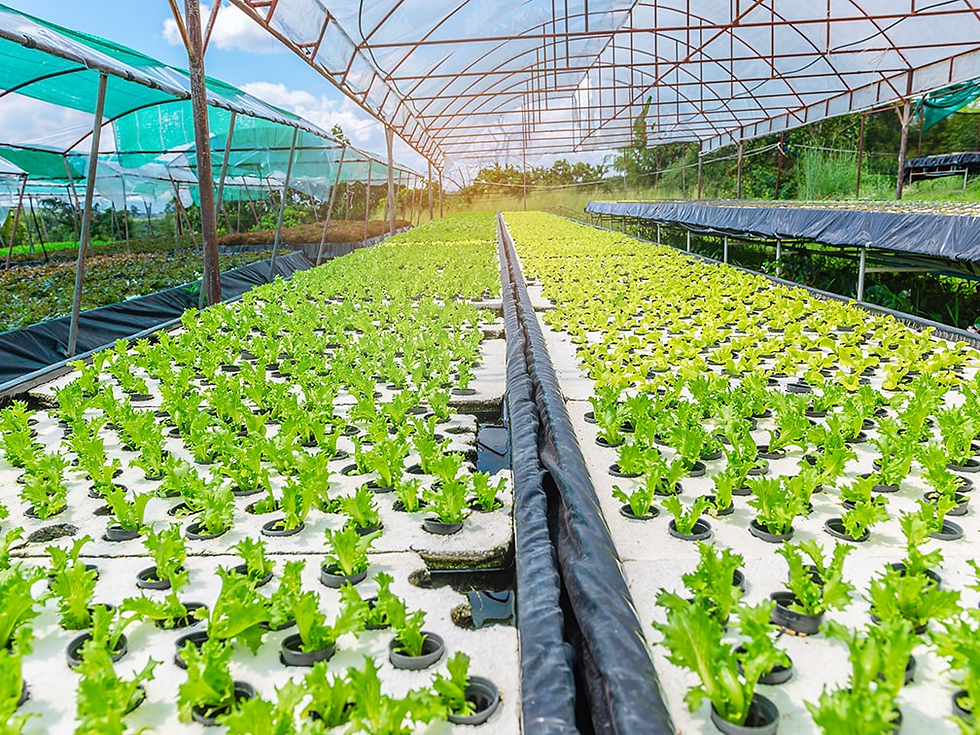
One possible method is hydroponics, where plants grow in nutrient-rich water instead of soil. Another is aeroponics, where plant roots are misted with water and nutrients. These systems are useful because they use less water than traditional farming and allow conditions to be controlled more precisely. Since water would be extremely valuable on Mars, efficiency would matter a lot more.
Scientists have already been testing how farming in space-like conditions might work. Experiments on the International Space Station have shown that astronauts can grow certain plants in microgravity, including lettuce and other small crops. Researchers have also tested whether plants can grow in simulated Martian soil. Some studies suggest that with the right treatment, certain crops could grow, though real Martian farming would still face many challenges.

Food on Mars would not just be important for nutrition. Plants could also help recycle carbon dioxide, produce oxygen, and improve astronauts’ mental well-being. Fresh food and greenery could make a big difference during long missions in isolated environments.
Still, there are many problems left to solve. Scientists need to understand which crops would grow best, how to provide enough energy and water, and how to create reliable systems that can work far from Earth. Mars farming is possible in principle, but it would require advanced technology and careful planning.
In the end, space farming is about much more than growing vegetables on another planet. It is part of the larger challenge of making human life beyond Earth sustainable. If we can learn how to grow food on Mars, it would be a major step toward turning distant space exploration into long-term settlement.


Comments