The Role of Women in the Space Race: Pioneers You Should Know
- Cyrine Badji

- Feb 21, 2025
- 2 min read
The Space Race of the 20th century is often remembered for the rivalry between the United States and the Soviet Union, which resulted in milestone events like the Apollo Moon landing. However, behind the scenes, a number of remarkable women made significant contributions to the success of space exploration, yet their achievements were often overshadowed by their male counterparts. As we reflect on the history of space exploration, it’s important to recognize the women who helped pave the way for modern space science and exploration.
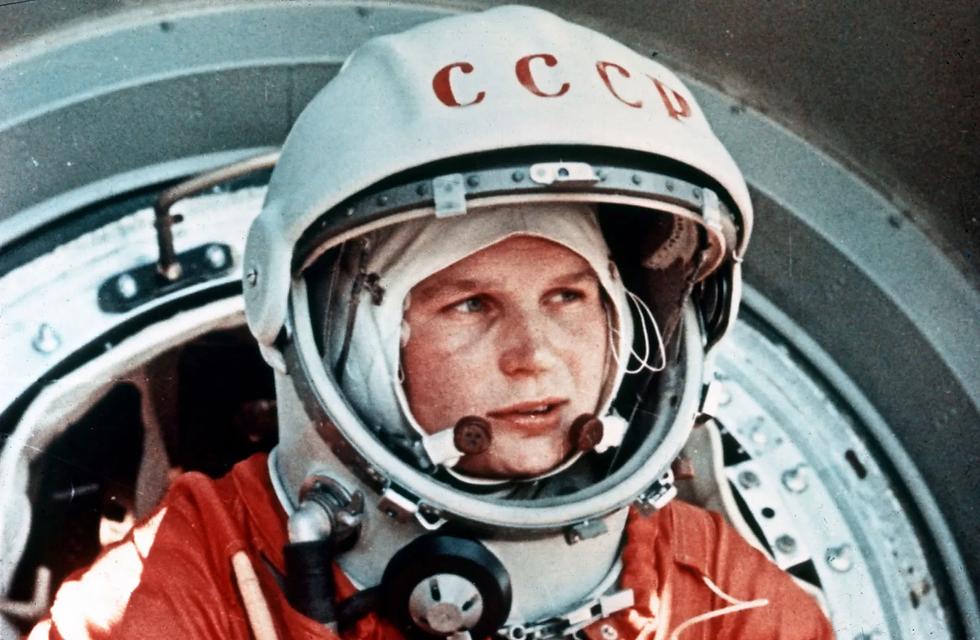
One of the most prominent figures in the early space race is Valentina Tereshkova, a Soviet cosmonaut and the first woman to fly in space. In 1963, she orbited the Earth 48 times aboard the Vostok 6 spacecraft. Her mission was groundbreaking, not only for breaking gender barriers but also for providing valuable data on the effects of long-term spaceflight on the human body. Tereshkova’s success inspired countless women in the Soviet Union and around the world to pursue careers in science and technology.
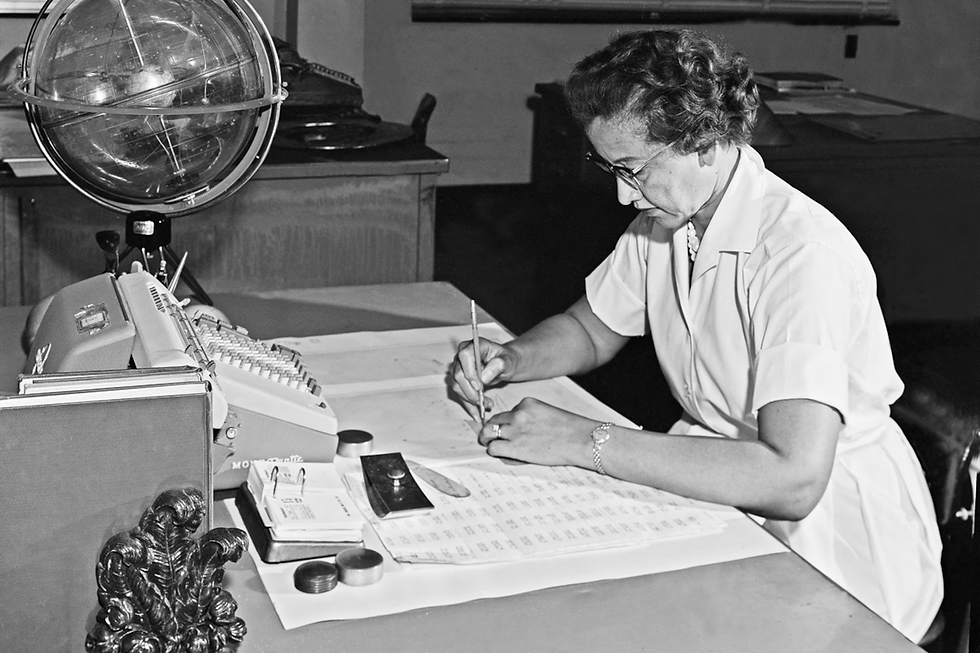
In the United States, Katherine Johnson, a mathematician and physicist, played a crucial role in the success of NASA’s early missions. Johnson’s calculations were vital in planning the trajectories for spaceflights, including John Glenn’s orbital flight in 1962. Her work, alongside other African-American women mathematicians like Dorothy Vaughan and Mary Jackson, went largely unrecognized until the 2016 film Hidden Figures brought their story to light. Johnson’s legacy is a powerful reminder of the vital contributions that were made by women of color in a male-dominated field.
Another notable figure is Sally Ride, the first American woman in space. In 1983, she flew aboard the Space Shuttle Challenger, becoming a symbol of possibility for women in STEM fields. Ride’s mission not only showcased her expertise as a physicist and astronaut but also marked a turning point in the public’s perception of women in space. Her success led to increased opportunities for women in the astronaut corps and beyond.

These women, among many others, laid the groundwork for future generations of female astronauts, engineers, and scientists. While the Space Race itself may have been dominated by a competitive race between nations, the contributions of women in this era demonstrate the importance of diversity in advancing human knowledge and exploration. Their legacies remind us that the sky is not the limit, and that anyone, regardless of gender, can reach for the stars.



Comments